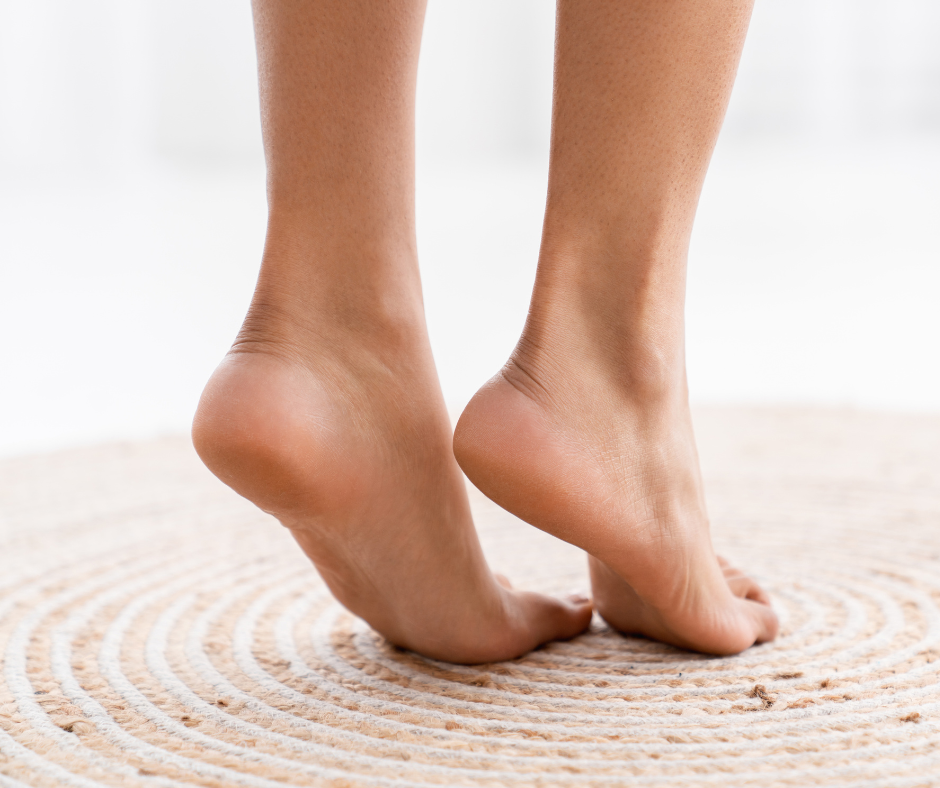
While we at Podiatry Center of New Jersey emphasize treating your flat feet, having a high arch can be just as impactful on your daily life. If you have ever looked at your footprint and noticed only a tiny sliver connecting your heel and the front of your foot, you likely have high arches. While it might seem like a benefit to have a lot of structural lift, this foot shape comes with its own unique set of challenges that we describe below.
The Pressure of High Arches
With high arches, your weight is primarily jammed into two small zones: your heel and the ball of your foot. This concentration of pressure can lead to some uncomfortable side effects.
If you notice:
- thick calluses forming in these areas
- a burning sensation in the ball of your foot
These are symptoms that your high arches could be giving you.
When You Don’t Need a Podiatrist for Your High Arches
Having high arches does not automatically mean you need a podiatrist, especially if you aren’t experiencing symptoms like the ones we mentioned above.
If you have had high arches your entire life, you are not experiencing any pain, and your balance feels steady, you are probably in the clear.
Some of the most successful athletes have naturally high arches that provide them with a lot of spring and power. If you are comfortable and can find shoes that fit properly, your high arches might be a normal variation of your anatomy.
When Having High Arches Warrants a Podiatrist Visit
However, there are specific signs that indicate you should seek professional help:
- If you find that you are constantly rolling your ankles or if you feel unstable on uneven ground, your high arches are likely affecting your lateral stability.
- Another concern is if your toes are starting to claw or curl downward. This happens because the tendons in your feet are being pulled too tight by the high arch.
- If you notice your arches are getting higher over time or if the high arch is only on one foot, you should get an evaluation. Sometimes, a sudden change in arch height can be a sign of an underlying neurological issue that needs to be addressed.
Supporting Your High Arches at Home
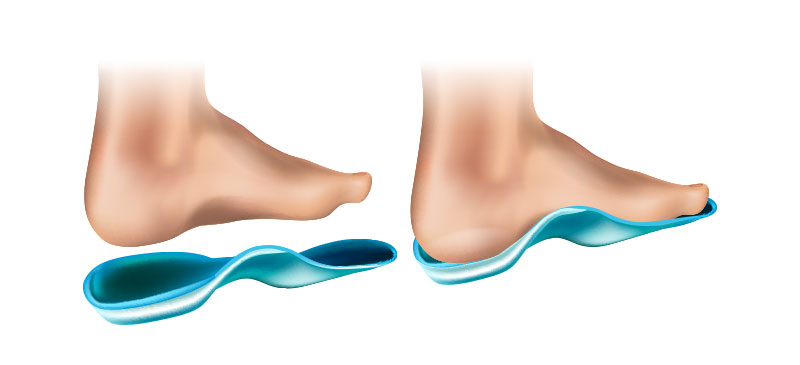
Managing high arches is all about filling in that space under your foot, so you should look for shoes that offer significant cushioning rather than the firm stability features designed for flat feet. We can also provide custom orthotics that can help distribute your weight more evenly.
Even if you’re not experiencing any symptoms now, being proactive can prevent long-term wear and tear that leads to stress fractures and chronic joint pain.
If you have more questions about foot care or want to address specific concerns, don’t hesitate to reach out to the expert team at Podiatry Center of New Jersey! Give us a call at (973) 925-4111 or make an appointment online.