There’s nothing like carving through fresh powder, but the physical toll on your feet is something even advanced skiers don’t understand. Whether you are strapped into a snowboard or clicked into skis, the constant pressure, combined with cold temperatures and repetitive motion, is what makes slopes sports such a high risk for specific foot and ankle issues. We at Podiatry Center of New Jersey are no strangers to slope sport foot injuries, especially the ones we detail below.
1. Snowboarder’s Ankle
One of the most specific injuries in winter sports is a fracture of the lateral process of the talus, often called Snowboarder’s Ankle. This occurs during a high-impact landing when the foot is forced upward and inward.
This is frequently misdiagnosed as a simple ankle sprain because the symptoms (swelling and pain on the outside of the ankle) are almost identical.
If left untreated, this fracture can lead to long-term arthritis. If you experience persistent pain after a sprain on the slopes, an X-ray or CT scan is smart.
2. Ski Boot Compression
Skiers often face black toenails, or subungual hematoma. This happens when boots are too tight or when the foot slides forward during a descent, which causes the toes to strike the front of the boot constantly. Blood then pools under the nail and causes pressure and throbbing pain.
An easy prevention tactic, though, is to ensure your boots have a performance fit that secures the heel and midfoot, which will prevent the toes from slamming into the toe box.
3. Peroneal Tendonitis
Snowboarders use their ankles to steer and are always shifting weight between their heels and toes. This repetitive edging can strain the peroneal tendons, which run along the outside of the ankle.
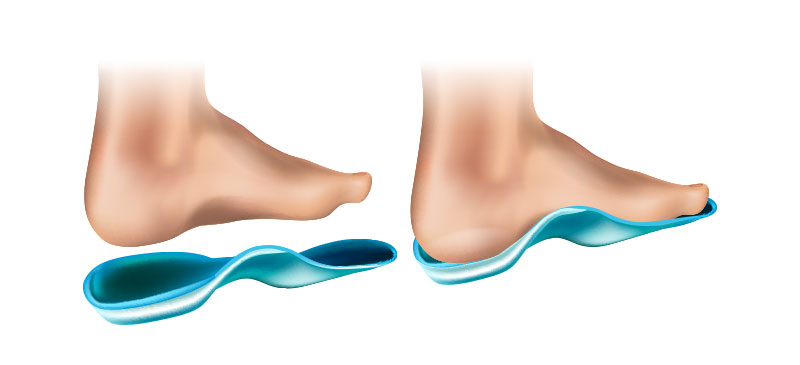
Overuse leads to inflammation and causes a sharp, aching pain that worsens with activity. Proper arch support and custom orthotics inside your boots can help distribute this pressure more evenly.
4. Morton’s Neuroma
Cold weather causes the feet to swell slightly, and when combined with a rigid boot, it can compress the nerves between the toes. This often results in Morton’s Neuroma, or if your toes go numb or tingle while skiing, it may be a sign that your boots are cutting off circulation.
5. Blisters and Irritation
The friction of a foot moving inside a boot, even slightly, creates heat and moisture, which are the primary reasons for blisters. Plus, the rigid shell of a ski boot can rub against the bony prominence of the pinky toe and lead to chronic bursitis or skin breakdown.
If you have more questions about foot care or want to address specific concerns, don’t hesitate to reach out to the expert team at Podiatry Center of New Jersey! Give us a call at (973) 925-4111 or make an appointment online.