If you’re a senior, your feet have carried you through a lot of decades, and they deserve a little extra attention these days. One of the most common problems we at Podiatry Center of New Jersey see the elderly face is the dreaded ingrown toenail. Because skin becomes thinner and circulation can naturally slow down as you age, ingrown toenail prevention looks a little different for seniors. Continue reading to find out why!
Trim Toenails Straight Across
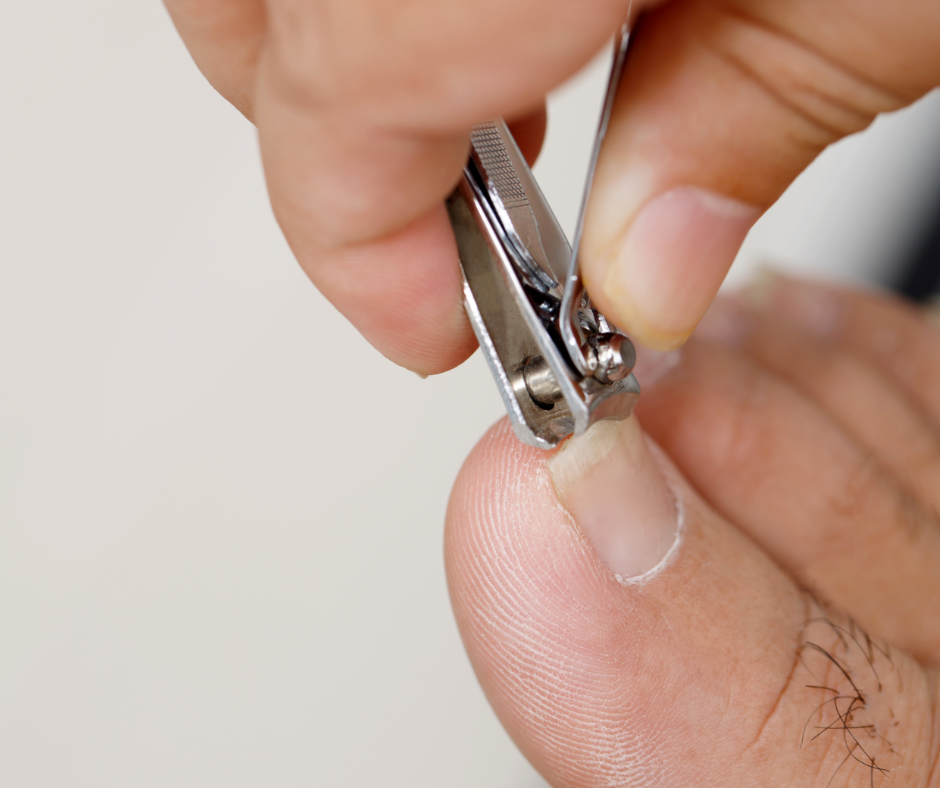
While a curved edge might look nice on your fingernails, your toenails need a much more functional approach. You should always trim them straight across. If you cut deep into the corners or trim the nails too short, you are essentially giving the nail a roadmap to grow directly into the soft skin of your toe.
If your nails have become thick or if you find it difficult to reach your feet, do not struggle with small, dull clippers. Invest in high-quality, long-handled trimmers or consider visiting a podiatrist for a routine trim. It is a simple way to stay safe and pain-free.
Choose Shoes with Ample Toe Room
As the years go by, your feet can naturally spread out or even change shape slightly. If you are still wearing the same shoe size you wore twenty years ago, there is a good chance your shoes are now too tight.
When your toes are cramped together, the constant pressure forces the edge of the nail into the surrounding tissue. When you are shopping for new walking shoes, sneakers, or even house slippers, look for styles that feature a wide toe box. You should be able to wiggle your toes freely without feeling any pinching on the sides.
Keep Your Skin Soft with Daily Moisturizing
Healthy skin is much more resilient against the pressure of a growing nail. If the skin around your toes is dry, brittle, or cracked, it is much easier for a sharp nail edge to break through and cause an issue.
Make it a habit to apply a good quality moisturizer to your feet every day after your shower. However, be careful not to leave a lot of lotion trapped between your toes, because excess moisture there can lead to fungal problems.
Inspect Your Feet Every Night
Sometimes, you might not feel a problem starting, especially if you have some numbness or reduced sensation in your feet. That’s why for seniors with diabetes, it’s important to look at your toes for any signs of redness, unusual warmth, or swelling.
And if you have trouble seeing the bottom of your feet, keep a small mirror nearby. Catching a little bit of irritation early allows you to prevent infections.
If you have more questions about foot care or want to address specific concerns, don’t hesitate to reach out to the expert team at Podiatry Center of New Jersey! Give us a call at (973) 925-4111 or make an appointment online.