 English
 Español
Achilles tendonitis is one of the most common overuse injuries among runners. Whether you are training for a marathon or simply enjoy jogging a few times a week, persistent pain near the back of your heel can quickly interfere with your routine.
At Podiatry Center of New Jersey, we help runners identify the source of Achilles pain and develop treatment plans that support recovery and injury prevention.
What Is Achilles Tendonitis?
The Achilles tendon connects the calf muscles to the heel bone and plays a major role in walking, running, and jumping. Achilles tendonitis occurs when this tendon becomes irritated or inflamed due to repetitive stress.
Runners often experience symptoms such as:
- Pain or stiffness near the heel
- Discomfort that worsens after activity
- Swelling along the tendon
- Tight calf muscles
- Morning stiffness in the ankle or heel
Without treatment, Achilles tendonitis can become chronic and increase the risk of tendon tears.
Common Causes of Achilles Tendonitis in Runners
Several factors can contribute to Achilles tendon pain in runners, including:
Overtraining
- Increasing mileage or intensity too quickly places extra strain on the Achilles tendon.
Improper Footwear
- Worn-out running shoes or shoes lacking proper support can affect foot mechanics and increase tendon stress.
Tight Calf Muscles
- Limited flexibility in the calves can pull excessively on the Achilles tendon during movement.
Running Surface Changes
- Suddenly switching to hills, trails, or harder surfaces may trigger tendon irritation.
Foot Structure Issues
- Flat feet or abnormal gait patterns can place uneven pressure on the tendon over time.
Prevention Tips for Runners
Taking preventive measures can reduce the risk of Achilles tendonitis and keep runners active longer.
- Stretch calf muscles regularly before and after running
- Increase training intensity gradually
- Replace running shoes consistently
- Crosstrain to avoid repetitive stress
- Rest when pain first develops
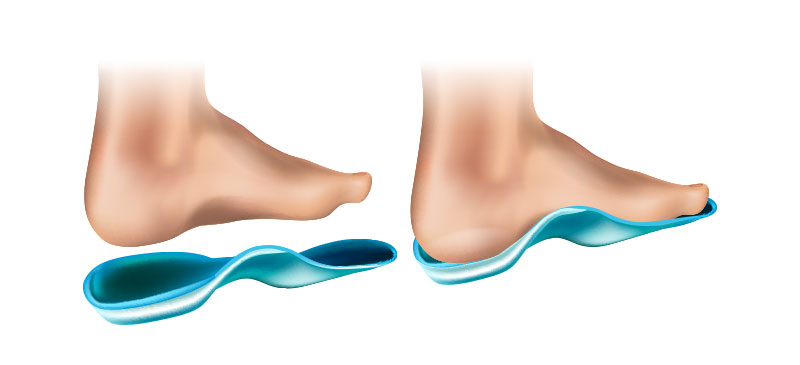
- Consider custom orthotics if foot mechanics contribute to strain
Early treatment is important if Achilles pain persists. A podiatrist can evaluate your gait, recommend supportive footwear, and provide therapies to reduce inflammation and support healing.
If you have more questions about foot care or want to address specific concerns, don’t hesitate to reach out to the expert team at Podiatry Center of New Jersey! Give us a call at (973) 925-4111 or make an appointment online.