September is Peripheral Artery Disease (PAD) Awareness Month, making it a good time to watch for signs of poor circulation in your feet and legs. At Podiatry Center of New Jersey, we know that feet can provide clues that blood flow is reduced. Recognizing these warning signs can help you seek care before complications become serious.
What Are the Signs of Poor Circulation in the Feet?
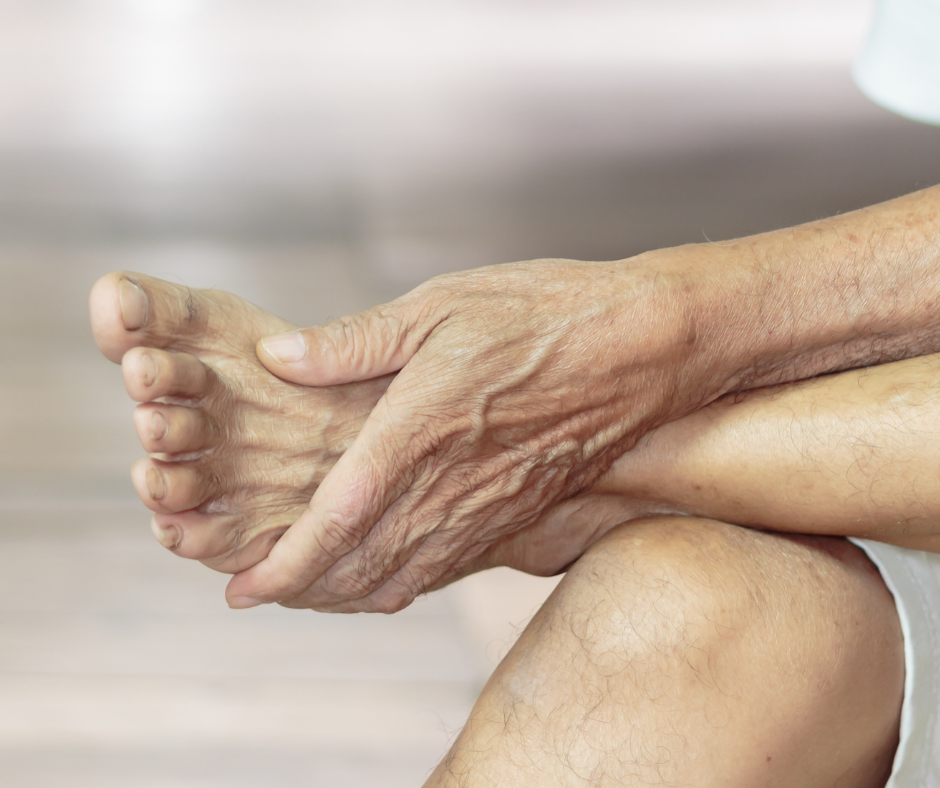
Peripheral artery disease occurs when narrowed arteries reduce blood flow to the limbs, including the legs. Because your feet are far from your heart, circulation problems may become noticeable there.
Possible signs include:
- Feet or toes that feel cold
- Pale, bluish, or shiny skin
- Leg or foot cramping while walking
- Numbness or weakness
- Reduced hair growth on the feet or lower legs
- Toenails that grow slowly or appear thickened
- Cuts, blisters, or sores that take longer to heal
Podiatry Center of New Jersey has previously explained how your feet can warn you about poor circulation. These symptoms do not always mean you have PAD, but persistent changes deserve medical attention.
Why Do Slow-Healing Wounds Matter?
Healthy blood flow delivers oxygen and nutrients that tissues need to repair themselves. When circulation is poor, even a small cut or blister may heal more slowly and become more vulnerable to infection.
This is important for people with diabetes, who may experience both reduced circulation and nerve damage. Following appropriate diabetic foot care and checking the feet regularly can help catch injuries or skin changes early.
When Should You See a Podiatrist?
If you notice recurring cramping, cold feet, color changes, slow-healing wounds, or other unusual symptoms, do not dismiss them as part of aging. A podiatrist can examine your feet, assess circulation concerns, and determine whether further evaluation is needed.
PAD also raises the risk of serious cardiovascular complications, so early detection matters. Learn more about reducing your risk for peripheral arterial disease.
This PAD Awareness Month, take a closer look at your feet. If something has changed, contact the expert team atPodiatry Center of New Jersey. Give us a call at (973) 925-4111 or make an appointment online.