At Podiatry Center of New Jersey, we never look at foot problems in a vacuum. Even slight abnormalities in your walking pattern or foot structure can worsen or, even worse, cause something like plantar fasciitis. In fact, that’s what we’re talking about today. How can flat feet influence heel pain, or vice versa? Because for many people, flat feet are just how they were born. And while this foot structure is incredibly common, if your arch collapses too much, it can throw off your entire foundation. More on how that works, below.
What Happens When Your Arch Collapses?
A healthy foot arch acts like a flexible spring, but when you have flat feet, the arch collapses or rolls inward excessively when you walk. This movement is called overpronation.
The problem is that when your foot rolls inward, it forces the thick band of tissue on the bottom of your foot to stretch and pull away from its anchor point on your heel bone.
With every single step you take, especially when walking on hard surfaces, this excessive stretching causes tiny micro-tears and intense inflammation right where the fascia meets the heel. This constant strain is what we call plantar fasciitis.
Why Flat Feet Make Plantar Fasciitis Chronic
For someone with normal arches, rest might be enough to fix plantar fasciitis. But if you have flat feet, the mechanical issue is always present. You can ice, stretch, and take anti-inflammatories all you want, but as soon as you stand up and put weight on your feet, your arch collapses again, and the fascia gets re-injured. This structural problem turns acute pain into a chronic, frustrating cycle.
Finding Relief for Plantar Fasciitis
The key to treating plantar fasciitis when you have flat feet is addressing the structural cause, not just the pain. We focus on limiting that excessive inward roll by encouraging:
- Supportive Footwear: Wear shoes that have a strong, rigid midsole and good arch contour. Avoid walking barefoot or wearing flimsy, flat flip-flops, even around the house.
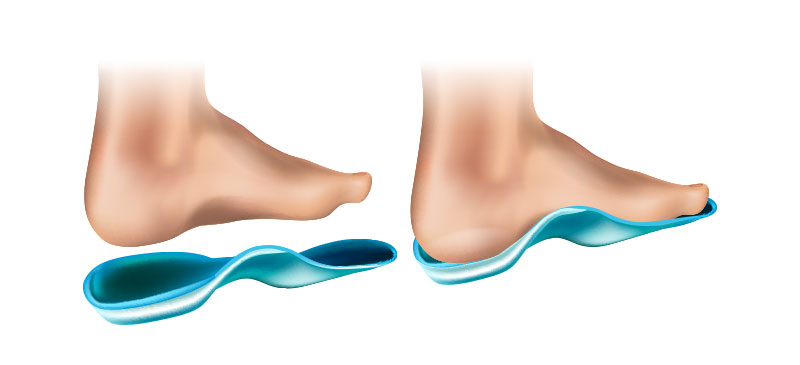
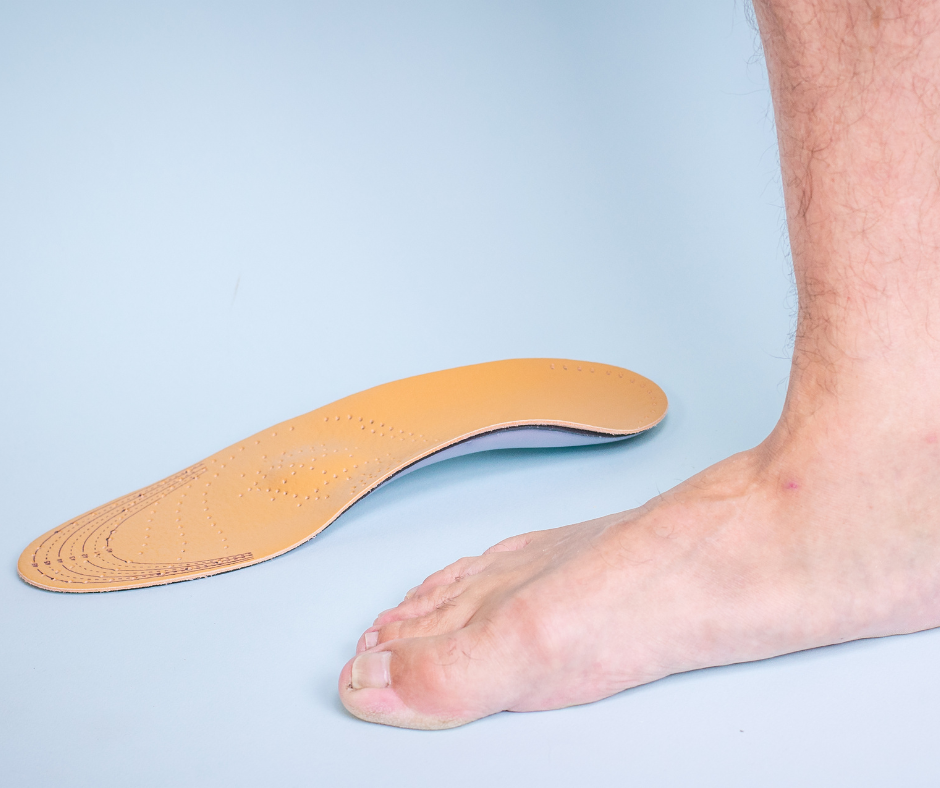
- Custom Orthotics: Custom orthotics are precision-designed inserts that fit your foot exactly. They work by supporting your fallen arch and controlling the overpronation, which effectively stabilizes your foot. This allows the strained plantar fascia to finally rest and heal by taking the damaging tension off the heel.
- Targeted Stretching: You also need to keep your calf muscles flexible, because tight calves compound the problem by pulling even harder on your heel.
If you have more questions about foot care or want to address specific concerns, don’t hesitate to reach out to the expert team at Podiatry Center of New Jersey! Give us a call at (973) 925-4111 or make an appointment online.