 English
 Español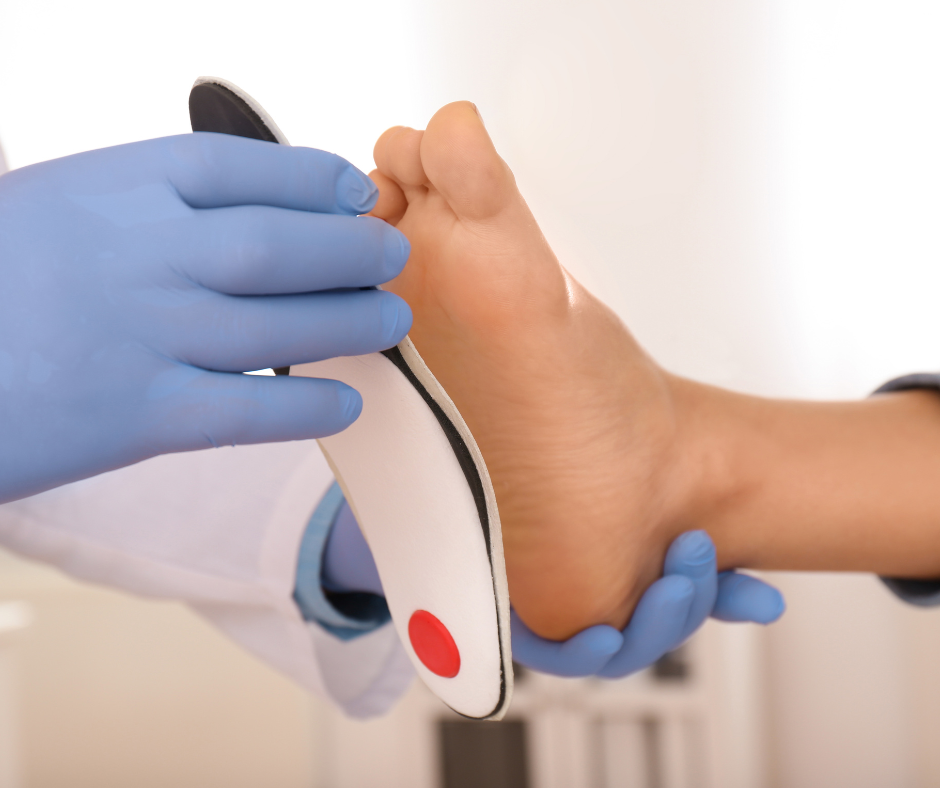
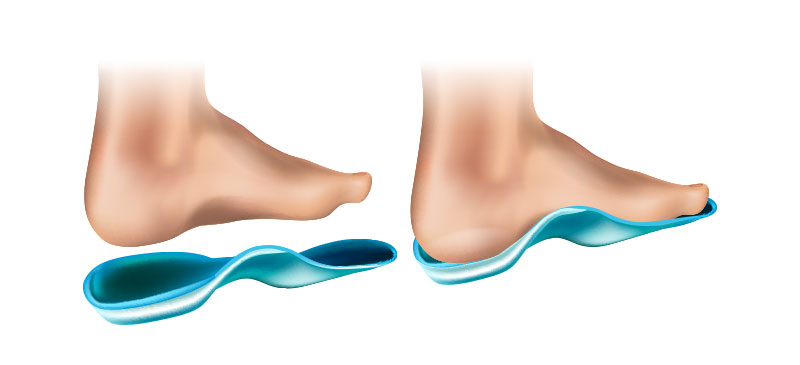
So, you finally took the plunge and got a pair of custom orthotics with the help of us at Podiatry Center of New Jersey. Whether you are dealing with chronic arch pain, recovering from an injury, or trying to prevent bunions from getting worse, these medical devices are a game-changer for your foot health. However, simply sliding them into your favorite pair of sneakers isn’t enough to guarantee success. Here is how you can ensure you are getting every bit of value and comfort out of your new inserts.
1. Respect the Break-In Period
One of the biggest mistakes people make is trying to wear their new orthotics for a full eight-hour shift on day one. Because your orthotics are changing the way your muscles and tendons function, your body needs time to adapt.
Start by wearing them for just one or two hours on the first day and gradually increase your wear time by an hour each day. Suppose you feel significant aching, back off for a few hours and try again later. It usually takes about two weeks for your feet and brain to fully accept the new alignment.
2. Choose the Right Footwear
An orthotic is only as good as the shoe it sits inside. If you put a high-quality custom insert into a flimsy, worn-out shoe, the orthotic won’t have the stable foundation it needs to do its job.
When shopping for shoes, look for styles with a removable factory insole. You should always pull out the foam liner that comes with the shoe and replace it with your custom device. This ensures there is enough room for your foot and prevents your heel from slipping out of the back of the shoe.
3. Keep Them Clean and Dry
To prevent bacteria, you should remove them from your shoes every night. This allows both the shoe and the insert to air out completely.
If they get dirty, wipe them down with a damp cloth and mild soap. Never submerge them in water or put them near a direct heat source like a radiator, as extreme heat can warp the medical-grade materials and ruin the custom shape.
4. Monitor for Wear and Tear
While custom orthotics are built to last, they are not permanent. The top cover might start to thin, or the structural shell can lose its flexibility over time. Most people find that their orthotics need a professional tune-up or replacement every one to two years, depending on how active they are.
5. Wear Them Consistently
Consistency is the key to long-term relief. If you only wear your orthotics in your gym shoes but spend the rest of your day in flat dress shoes or bare feet, your feet are constantly switching between different alignments. This prevents the tissues from fully healing.
If you have more questions about foot care or want to address specific concerns, don’t hesitate to reach out to the expert team at Podiatry Center of New Jersey! Give us a call at (973) 925-4111 or make an appointment online.