 English
 Español
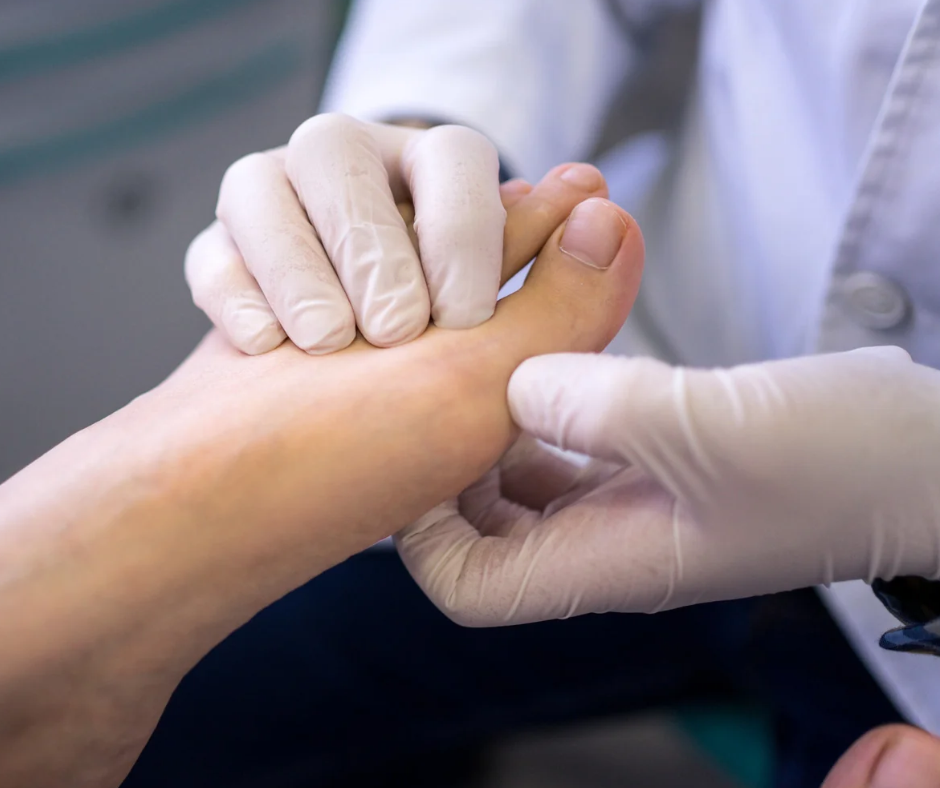
November is Diabetes Awareness Month, a reminder that caring for your feet is an important part of managing diabetes. A diabetic foot exam involves more than checking whether your feet hurt. Because diabetes can affect sensation, circulation, skin, nails, and healing, a thorough examination looks for problems you may not be able to feel or easily see yourself.
At Podiatry Center of New Jersey, we help patients throughout New Jersey monitor diabetes-related foot risks and address concerns before they become more serious.
What Will a Podiatrist Check?
The examination may begin with questions about your diabetes, blood sugar management, medications, previous wounds, foot pain, numbness, and changes in walking. Bring up any new symptoms, even if they seem minor.
Your podiatrist may then evaluate:
- Skin condition and temperature
- Cuts, blisters, cracks, or sores
- Toenails and the spaces between your toes
- Calluses or pressure points
- Foot shape and toe alignment
- Swelling
- Pulses and other signs of circulation
- Sensation in different areas of the feet
- Muscle strength, balance, and gait
- The fit and condition of your shoes
Reduced sensation from diabetic neuropathy may make it difficult to notice an injury. Circulation problems can also slow healing, making early detection especially important.
Why Are Shoes Part of the Examination?
Shoes can reveal areas of repeated pressure and friction. A podiatrist may inspect the soles for uneven wear and check the inside for rough seams, worn lining, or objects that could injure the skin.
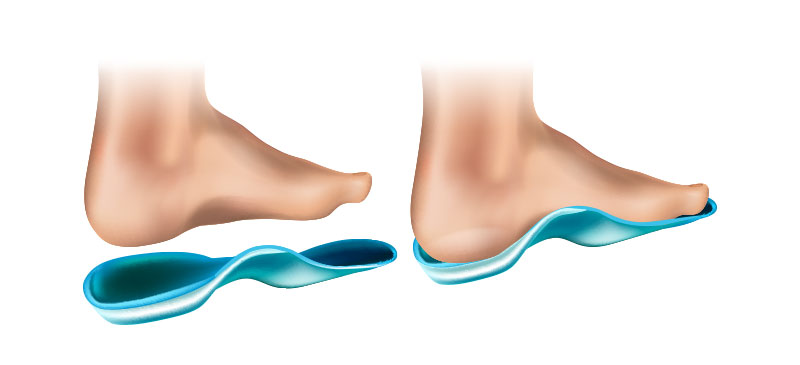
Shoes should have enough room for the toes without allowing the feet to slide. Depending on your risk factors, specialized shoes or orthotic inserts may be recommended to reduce pressure on vulnerable areas.
How Often Should You Have a Diabetic Foot Exam?
The appropriate schedule depends on your individual risk. A patient with neuropathy, poor circulation, a previous ulcer, or a foot deformity may need more frequent monitoring than someone without those complications.
Between appointments, inspect your feet every day and follow appropriate diabetic foot-care practices. Contact a podiatrist promptly for an open wound, drainage, increasing redness, warmth, swelling, discoloration, or a sore that is not healing.
A diabetic foot exam is an opportunity to find small concerns before they become larger ones. Review the Podiatry Center of New Jersey’s available podiatry services or call 973) 925-4111 to schedule an appointment.