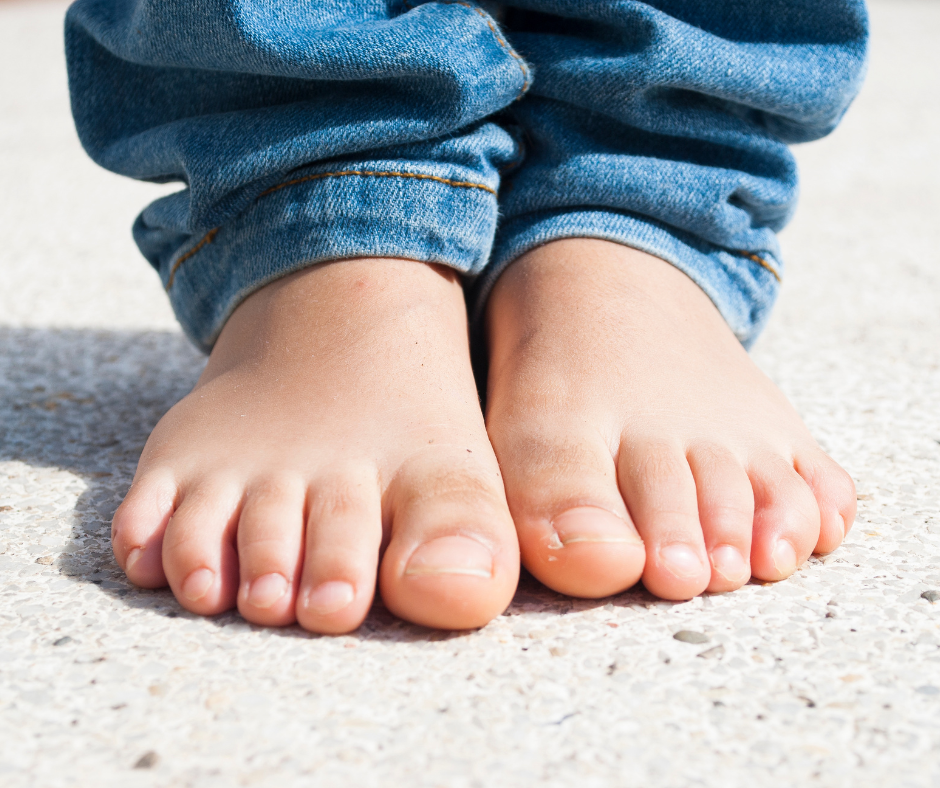
Yes, to answer briefly, they can. Indeed, bunions, hammertoes, and other foot deformities can and do appear in children, and we at Podiatry Center of New Jersey have seen them ourselves. While it might be startling to see your child’s big toe starting to angle inward or a smaller toe begin to curl, understanding the why behind these changes is the first step in protecting their future mobility.
Pediatric Bunions
In adults, bunions are often exacerbated by years of wearing tight, narrow footwear. In children, however, the cause is almost always hereditary. If you notice a bump forming on the side of your child’s big toe joint, it’s usually because they inherited a specific foot structure that makes the joint unstable.
Unlike adult bunions, which are often stiff and arthritic, pediatric bunions are usually quite flexible. The real concern here isn’t just the bump itself, but the fact that the foot is still growing. Because a child’s bones are still forming, an uncorrected bunion can lead to alignment issues as they reach skeletal maturity.
Hammertoes and Curly Toes
If you notice one of your child’s smaller toes is constantly bent at the middle joint, they may be developing a hammertoe. In kids, this often happens because of a muscle imbalance. If the tendons on the bottom of the toe are stronger than the ones on top, they win the tug-of-war and pull the toe into a curled position.
Another common pediatric deformity is congenital curly toe, where a toe rotates and curls under its neighbor. While adults often get hammertoes from shoes that are too short, kids are more likely to develop them because of their unique foot mechanics or overactive tendons.
How Pediatric Foot Deformities Differ from Adults
The biggest difference between a child’s foot deformity and an adult’s is flexibility. An adult with a bunion or hammertoe often has a fixed deformity where the joint is stuck in that position.
In children, the joints are usually still reducible, meaning they can be moved back into a straight position with your hand.
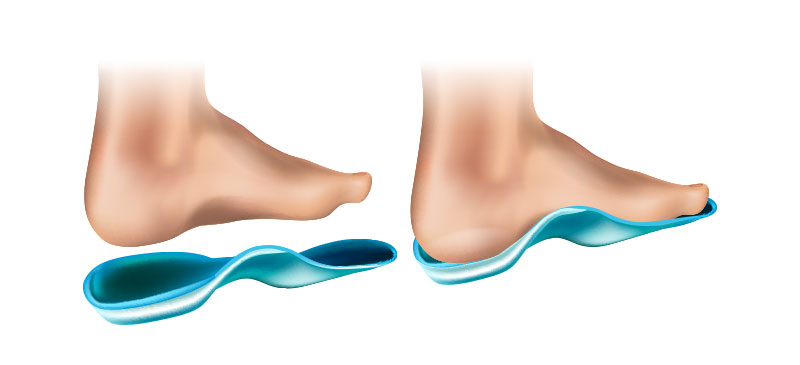
Because a child’s bones are still soft and growing, we have a unique window of opportunity to intervene. While we rarely perform surgery on a growing foot, we can use custom orthotics to stabilize the foot and prevent the deformity from getting worse.
What Should You Watch For?
You should keep an eye on your child’s wear patterns. If you notice they are wearing out the inner side of their sneakers quickly, or if they complain of pain after a day of running around the park, it’s worth a closer look.
Early intervention is key. The sooner we support a developing arch or realign a drifting toe, the less likely they are to need invasive help down the road.
If you have more questions about foot care or want to address specific concerns, don’t hesitate to reach out to the expert team at Podiatry Center of New Jersey! Give us a call at (973) 925-4111 or make an appointment online.