Many people assume bunions are purely a cosmetic issue. While bunions often start as a small bump at the base of the big toe, they can gradually become more painful and begin affecting your daily activities. Knowing when a bunion needs treatment can help prevent worsening symptoms and protect your long-term foot health.
At Podiatry Center of New Jersey, we help patients understand when bunion symptoms require professional evaluation and treatment.
What Is a Bunion?
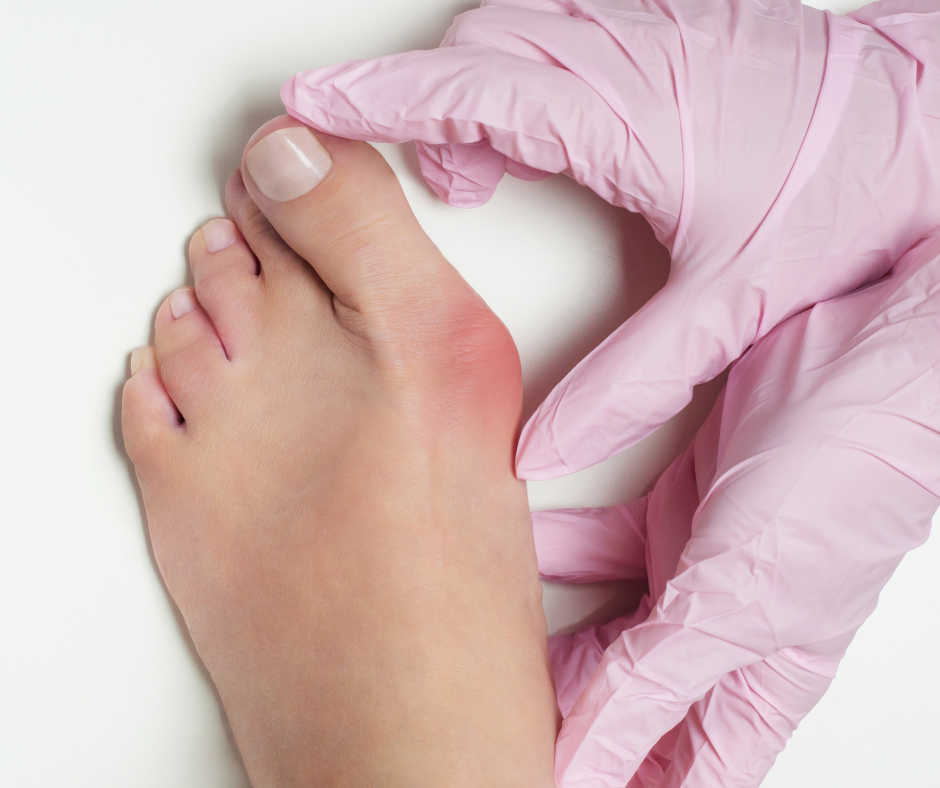
A bunion develops when the joint at the base of the big toe becomes misaligned, causing the toe to shift toward the other toes. Over time, this creates the characteristic bony bump on the side of the foot. Bunions are progressive, meaning they typically worsen if left untreated.
Signs Your Bunion May Need Treatment
While not every bunion requires immediate intervention, certain symptoms indicate it’s time to see a podiatrist.
Persistent Pain
Ongoing pain is one of the clearest signs that treatment may be necessary. If your bunion hurts during walking, exercise, or even while resting, it should be evaluated.
Difficulty Finding Comfortable Shoes
Many patients first seek treatment because their bunion makes it difficult to wear normal footwear. If shoes feel tight, cause rubbing, or worsen your pain, your bunion may be progressing.
Swelling, Redness, or Inflammation
A bunion that frequently becomes swollen, red, or tender may indicate increasing irritation within the joint. These symptoms can make everyday activities uncomfortable and should not be ignored.
Limited Toe Movement
If your big toe feels stiff or becomes difficult to move, the bunion may be affecting the joint’s function. Restricted mobility can alter your gait and place additional stress on other areas of the foot.
Changes in Foot Shape
As bunions worsen, the big toe may begin overlapping or crowding neighboring toes. This can lead to additional foot problems such as corns, calluses, hammertoes, and ongoing discomfort.
Treatment Options for Bunions
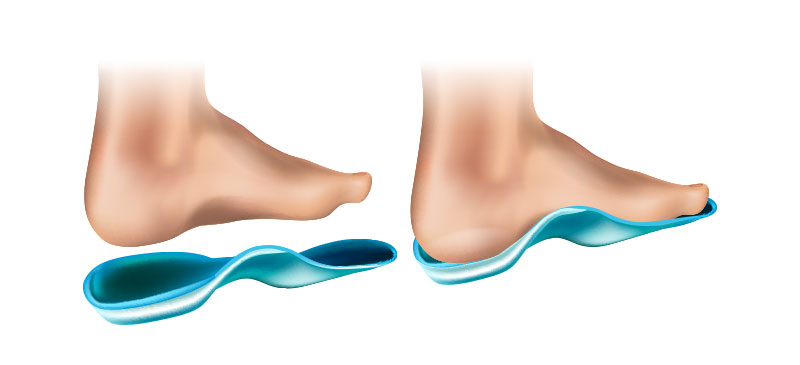
Early treatment often focuses on relieving symptoms and slowing progression. Conservative options may include wider footwear, custom orthotics, padding, and activity modifications. For severe bunions that significantly impact daily life, surgical correction may be recommended.
If your bunion is becoming painful or interfering with your daily routine, don’t hesitate to reach out to the expert team at Podiatry Center of New Jersey! Give us a call at (973) 925-4111 or make an appointment online.