Most people do not spend much time thinking about their toenails unless there is a problem. However, changes in your toenails can sometimes provide important clues about your overall health. Discoloration, thickening, brittleness, or unusual nail shapes may not just be cosmetic concerns and can sometimes point to infections, injuries, circulation problems, or other underlying conditions.
At Podiatry Center of New Jersey, patients often learn that paying attention to changes in their toenails can help catch foot and health issues earlier.
Common Toenail Changes and What They May Mean
Toenails naturally change somewhat with age, but sudden or noticeable changes should not be ignored.
Thick or Yellow Toenails
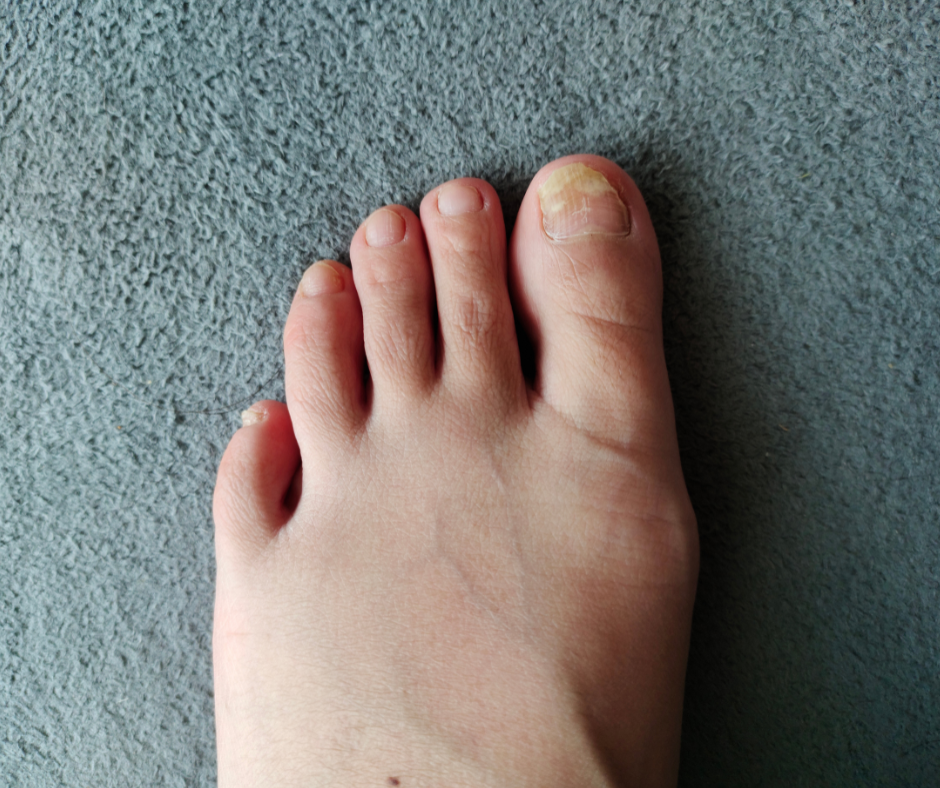
One of the most common causes of thickened or yellow toenails is a fungal infection. Toenail fungus may start small but can gradually spread and become more difficult to treat over time.
Signs of toenail fungus often include:
- Yellow or white discoloration
- Thickened nails
- Crumbling edges
- Nail odor
Brittle or Cracked Nails
Dry, brittle nails may sometimes develop from aging or repeated trauma from shoes. In some cases, they can also be linked to nutritional deficiencies or underlying medical conditions.
Dark Spots Under the Nail
A dark spot beneath the toenail may simply result from an injury, especially in runners or people who wear tight shoes. However, persistent dark discoloration should always be evaluated to rule out more serious conditions.
Pale or Bluish Toenails
Toenails that appear pale or bluish may sometimes signal circulation problems or reduced oxygen flow. Poor circulation can be especially concerning for patients with diabetes or vascular conditions.
Why Healthy Toenails Matter
Toenails help protect the toes from injury and pressure. When nail problems develop, they can affect comfort, walking, and overall foot health. Ignoring nail changes may allow infections or other conditions to worsen over time.
Keeping toenails healthy starts with:
- Wearing properly fitting shoes
- Keeping feet clean and dry
- Trimming nails carefully
- Avoiding walking barefoot in public places
- Scheduling professional care for persistent nail changes
If you have more questions about foot care or want to address specific concerns, don’t hesitate to reach out to the expert team at Podiatry Center of New Jersey! Give us a call at (973) 925-4111 or make an appointment online.