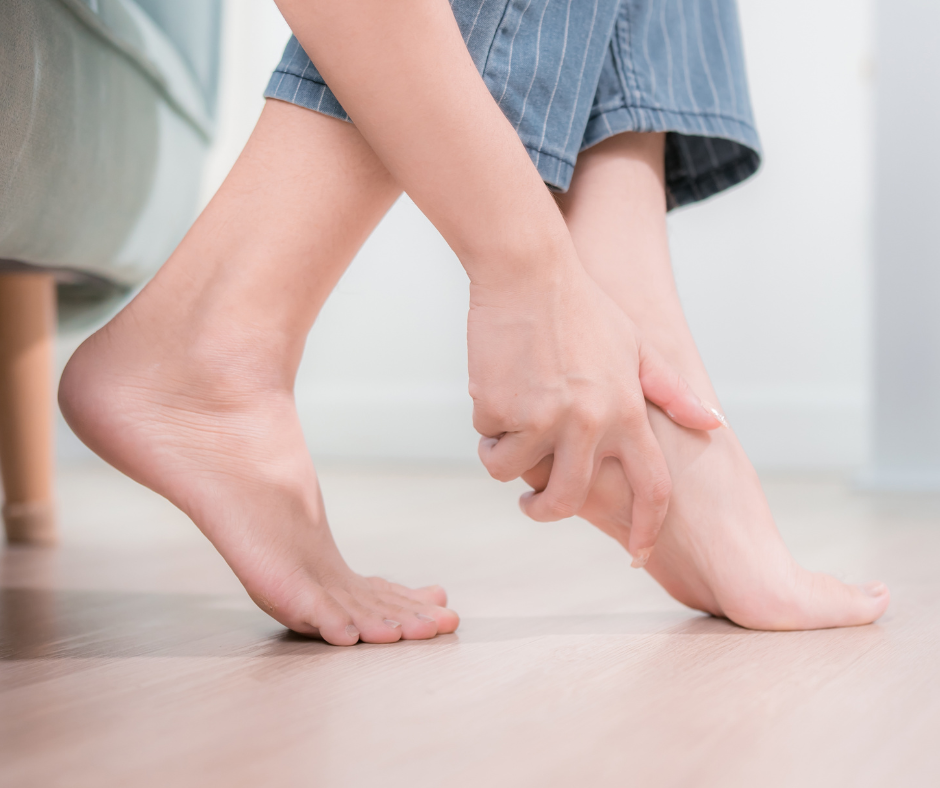
A sharp ache in your heel after getting up from your desk or stepping out of the car can make the first few steps surprisingly difficult. When heel pain is worse after sitting or resting and eases somewhat as you move, plantar fasciitis is a common possibility.
Below, the podiatrists at Podiatry Center of New Jersey explain why this pattern occurs and when treatment may be needed.
Why Does Plantar Fasciitis Hurt After Rest?
The plantar fascia is a strong band of tissue that runs along the bottom of the foot, connecting the heel to the toes and helping support the arch. Repeated strain can irritate this tissue where it attaches near the heel.
While you are sitting or sleeping, the plantar fascia may tighten. Standing suddenly places tension on the irritated tissue, producing sharp “first-step” pain. The discomfort may lessen as the foot warms up, then return after another period of rest or prolonged activity.
What Can Contribute to Plantar Fasciitis?
Plantar fasciitis often develops from repeated stress rather than one specific injury. Factors that may increase strain include:
- A sudden increase in walking, running, or exercise
- Long periods of standing on hard surfaces
- Tight calf muscles or limited ankle flexibility
- Flat feet, high arches, or changes in foot mechanics
- Worn-out, flat, or unsupportive footwear
Tight calf muscles can increase tension through the heel and bottom of the foot. Shoes without adequate arch support or cushioning may also allow additional stress to reach the plantar fascia.
How Is Heel Pain Treated?
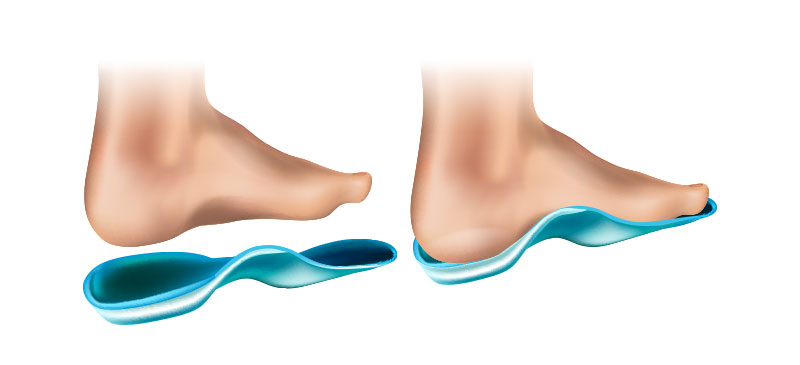
Early care usually focuses on reducing strain and improving flexibility. A podiatrist may recommend activity modification, calf and plantar fascia stretches, ice, supportive shoes, heel cushions, or arch supports. Custom orthotics, physical therapy, medication, injections, or other treatments may be considered when symptoms persist.
Avoid repeatedly pushing through heel pain, since continued stress may make it harder for the tissue to recover.
When Should You See a Podiatrist?
Schedule an evaluation if heel pain lasts more than a few weeks, worsens, affects your normal activities, or occurs with swelling, numbness, redness, or difficulty bearing weight. Not every case of heel pain is plantar fasciitis, and an examination can help rule out a stress fracture, nerve problem, arthritis, or another condition.
For persistent heel pain after sitting or resting, contact the expert team at Podiatry Center of New Jersey. We’re here to make sure you enjoy your favorite summer activities with greater comfort and confidence. Give us a call at (973) 925-4111 or make an appointment online.