 English
 Español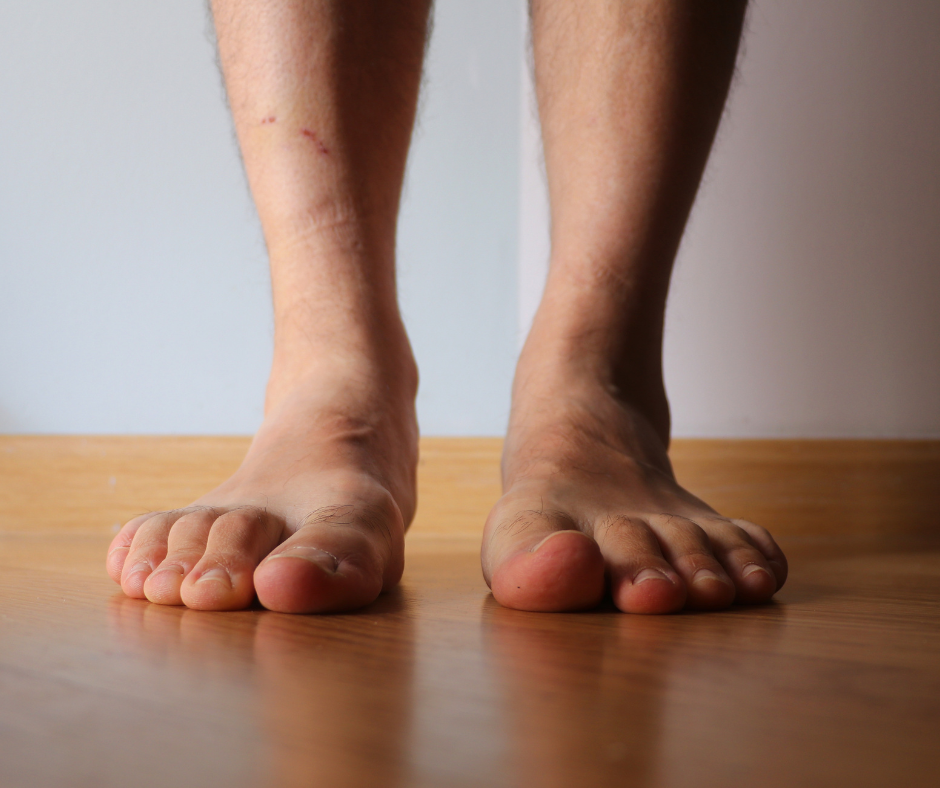
Yes, flat feet can develop in adulthood even if you previously had normal arches. This is often called adult-acquired flatfoot or progressive collapsing foot deformity. It occurs when structures that support the arch weaken over time.
Below, the podiatrists at Podiatry Center of New Jersey explain why adult flat feet develop, which symptoms to watch for, and how treatment can help.
What Causes Flat Feet in Adults?
One common cause is dysfunction of the posterior tibial tendon, which runs along the inside of the ankle and helps support the arch. If this tendon becomes inflamed, stretched, or damaged, the arch may gradually collapse.
Other contributing factors can include foot or ankle injuries, arthritis, aging, and excess strain on the feet. Some people have flexible flat feet from childhood but do not notice symptoms until later in life. Podiatry Center of New Jersey explains more in The 2 Types of Flat Feet.
What Are the Signs of Adult-Acquired Flatfoot?
Changes may develop gradually. Signs can include:
- Pain or swelling along the inside of the foot or ankle
- A visibly lower or flattened arch
- Foot or ankle fatigue with walking or standing
- Difficulty standing on your toes
- Pain that worsens with activity
- Changes in the way you walk
Flat feet do not always cause symptoms. However, a newly flattening arch, especially when it affects one foot or is accompanied by pain, should be evaluated. Learn more about symptoms and treatment on the practice’s Flatfoot page.
How Are Flat Feet Treated?
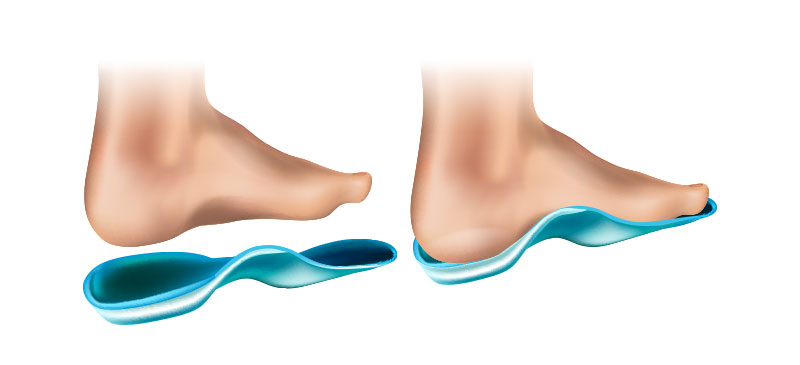
Treatment depends on the cause and severity of the condition. Many cases can initially be managed without surgery. Options may include supportive footwear, activity modifications, stretching and strengthening exercises, physical therapy, and custom orthotics to improve support and reduce strain.
Podiatry Center of New Jersey offers custom orthotics designed to support the individual shape and mechanics of the foot. Orthotics may also help address gait problems associated with flat feet.
When Should You See a Podiatrist?
If your arch appears to be getting flatter or you develop persistent pain, swelling, weakness, or difficulty walking, contact the expert team at Podiatry Center of New Jersey. Give us a call at (973) 925-4111 or make an appointment online.